Free admission with VIP CARD VriendenLoterij (1 person per card)


The other side of Lalique
From 1 November 2026 tot 20 June 2027
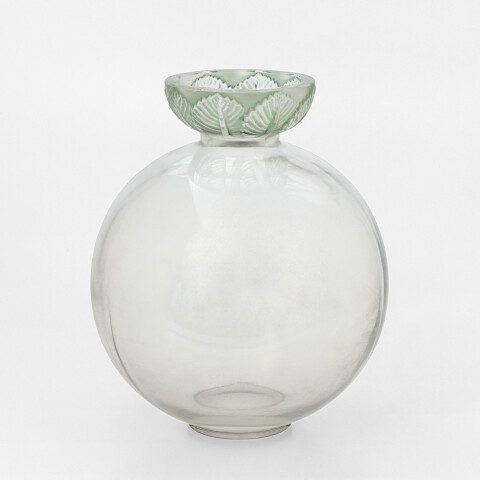
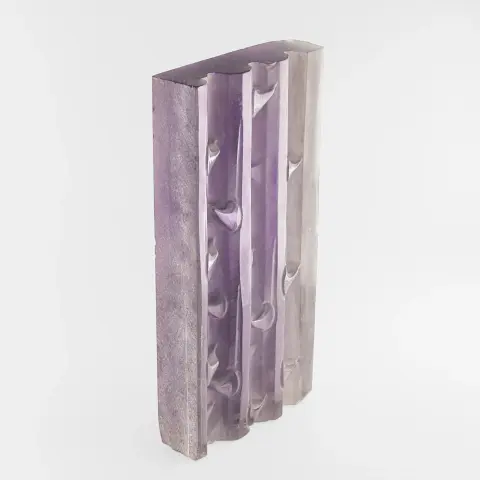
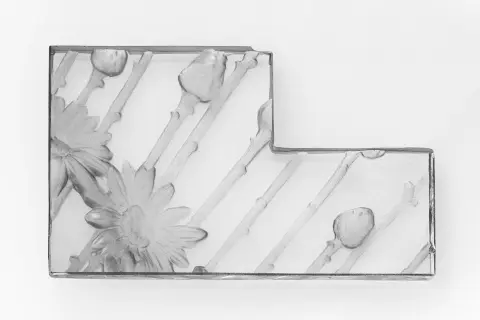
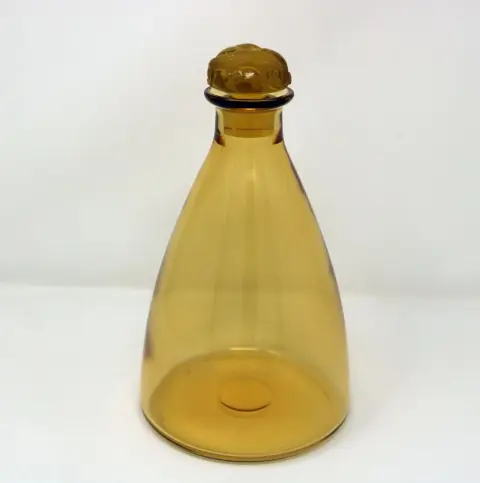
From autumn 2026, at the Lalique Museum, you will discover another side to René Lalique: the artist of everyday beauty. Admire everyday objects such as inkwells, drinking glasses, carafes, powder boxes and clocks. Glass panels, decorative bowls and sculptures will also be on display.
“By popularising the concept of ‘beauty’, we improve the present and enrich the future.”
René Lalique, quoted by Félix Marcilhac
René Lalique: catalogue raisonné de l'œuvre de verre, p. 76
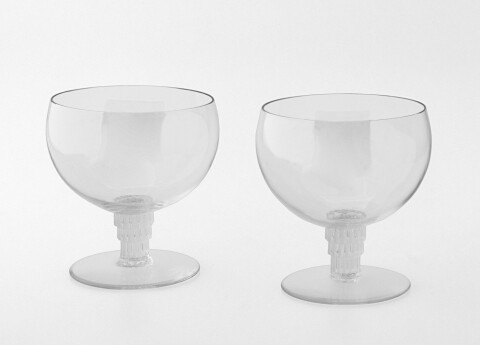
Tableware sets
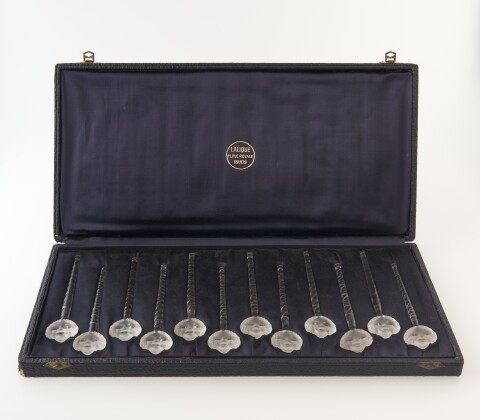
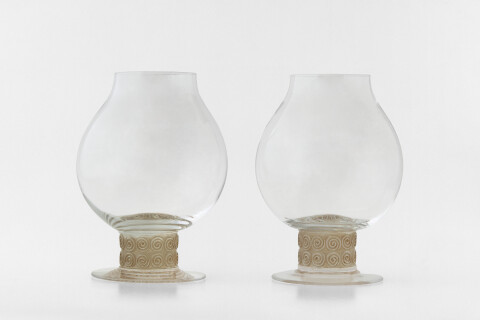
In the 1920s and 1930s, Lalique produced tableware sets on a large scale at his factory in Wingen-sur-Moder. This marked a significant step in his career. He developed efficient production processes to make his designs affordable for a wide audience. The tableware sets thus showcase not only Lalique’s creativity, but also his business acumen.
Compared with much of his other work, the tableware sets are understated in design. Their sleek, elegant appearance fits perfectly with the Art Deco style, which was at its peak during this period.
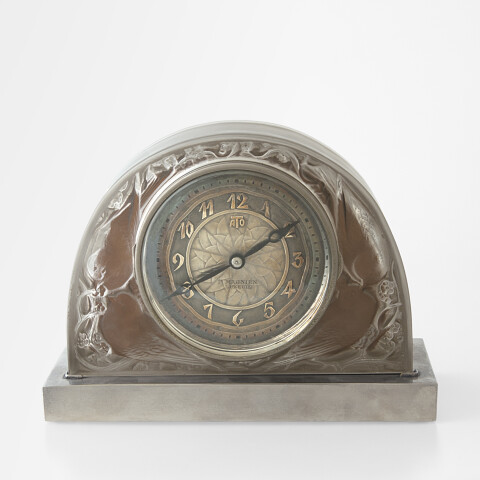
Clocks
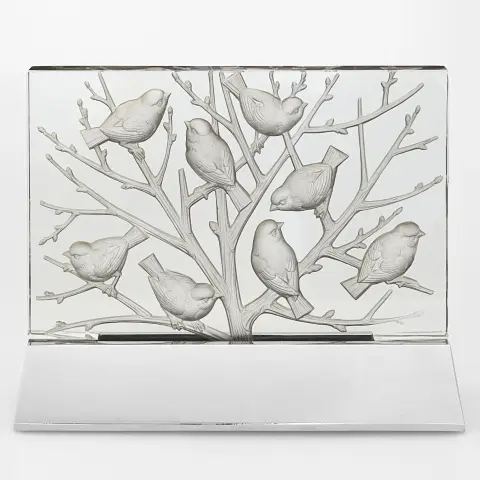
Art and technology come together in Lalique’s clocks. The decorative glass casing and the artistic movement combine to form an aesthetic whole.
Some of the timepieces were supplied by the French manufacturer ATO. This company was founded by the innovative clock and watchmaker Léon Hatot (1883–1953). From 1920 onwards, ATO developed battery-powered electric clocks. These were still quite new at the time, but quickly became popular.
The clocks in the Lalique Museum feature depictions of birds. Discover the various ways in which Lalique interpreted this theme.
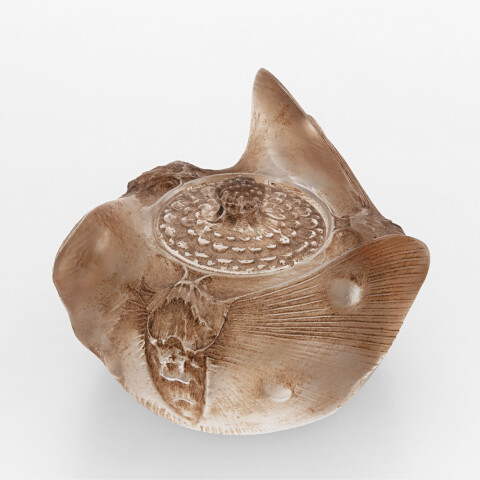
Bowls
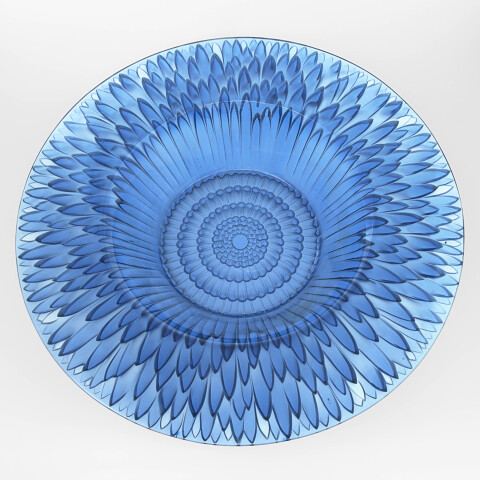
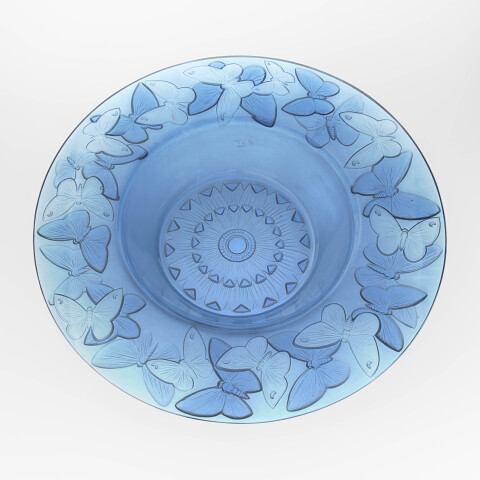
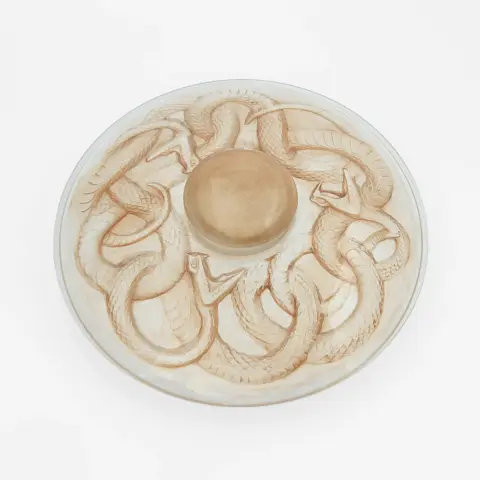
Lalique’s decorative bowls are both technically and visually impressive. They stand out for their generous size, vibrant colours and detailed decorations. With a diameter of no less than 39 centimetres, these bowls were true showpieces.
One example is the sky-blue Flora-Bella. This bowl, dating from 1930, was designed by René Lalique’s daughter, Suzanne. The same shade of blue can be seen in the Phàlenes, on which moths appear to be flying around the pistil of a flower.
Lalique did not merely depict animals traditionally regarded as noble, such as peacocks and swans. Insects such as beetles, wasps and moths were also given a prominent place. In doing so, he pushed the boundaries of what was considered beautiful and precious.
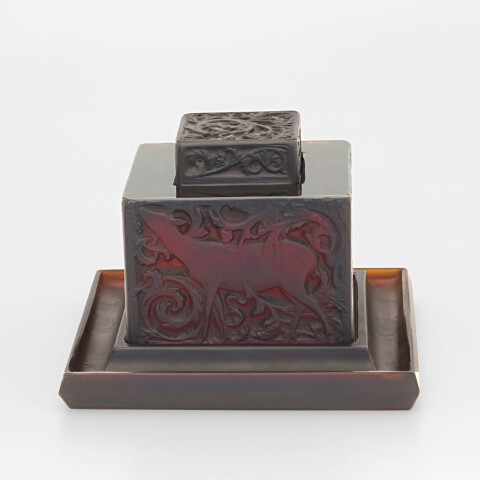
Inkwells
Between 1910 and 1927, Lalique designed eighteen different inkwells, each of which he elevated to the status of a small work of art.
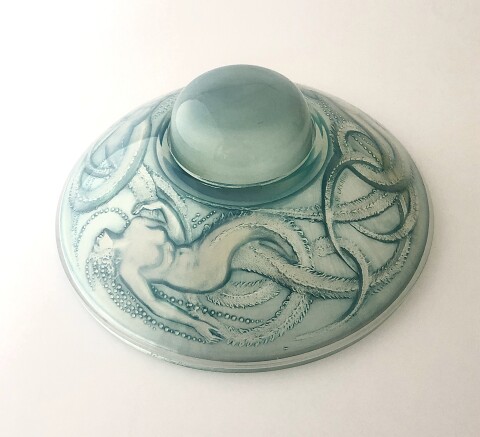
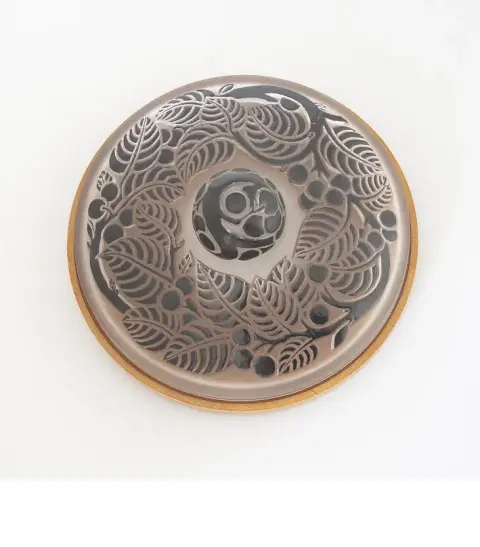
Many inkwells bear Art Deco characteristics, such as the Myrtilles from 1924. This is decorated with a stylised blueberry bush in sleek black enamel. Other designs are more in keeping with Art Nouveau, even though this style had already gone out of fashion by then. For example, the Trois Sirènes from 1921 depicts mermaids – a popular motif within Art Nouveau – in flowing and graceful lines.
Lalique’s inkwells thus serve as a fine example of his artistic individuality. He refused to be confined by the prevailing artistic style, but remained true to his own vision. It is precisely this that makes his work so recognisable.
Come and discover Lalique’s unique signature at the Lalique Museum.